
Schneiderman Insurance Agency, Inc. Blog
|
 Proper car maintenance not only ensures your vehicle runs smoothly but also extends its lifespan, reduces repair costs, and enhances safety on the road. Whether you're a new driver or a seasoned car owner, incorporating these essential maintenance tips into your routine can help keep your vehicle in optimal condition for years to come:
0 Comments
 Car modifications have become increasingly popular among car enthusiasts looking to enhance the performance, aesthetics, and overall driving experience of their vehicles. Whether it's upgrading the engine for more horsepower, installing aftermarket wheels and body kits for a sleeker appearance, or adding high-tech features for improved functionality, car modifications offer endless possibilities for customization. In this article, we'll explore the world of car modifications, discussing popular options for enhancing performance and style, considerations for making modifications, and the potential impact on auto insurance coverage.
 When it comes to paying for car insurance, drivers often have the option to pay their premiums either monthly or annually. Each payment method has its own set of advantages and disadvantages, and choosing the right option can have a significant impact on your finances and overall insurance experience. In this blog, we'll weigh the pros and cons of paying car insurance premiums monthly versus annually, helping you make an informed decision about which payment method is best suited to your needs and preferences.
 Buying a car is a significant financial decision, and choosing the right financing option is crucial to ensure you get the best deal and stay within your budget. With various financing options available, it's essential to understand the basics of car financing and make informed choices that align with your financial goals. In this blog, we'll explore the fundamentals of car financing and provide valuable insights to help you make the right choice when purchasing your next vehicle.
 Pay-per-mile auto insurance, also known as usage-based insurance (UBI), is a type of car insurance policy that calculates premiums based on the number of miles driven. This innovative insurance model offers drivers the potential to save money by paying for only the miles they actually drive, rather than a fixed premium. However, like any insurance product, pay-per-mile auto insurance has its advantages and disadvantages. In this article, we'll explore the pros and cons of pay-per-mile auto insurance to help you decide if it's the right choice for you.
 Obtaining suitable auto insurance for young drivers is paramount for ensuring their safety and financial security on the road. Young drivers often face higher insurance premiums due to statistical data that suggests they are more prone to accidents. It's essential for young drivers to grasp the fundamentals of insurance to safeguard themselves, their vehicles, and their financial well-being. In this guide, we'll explore various types of auto insurance coverage, tips to lower insurance costs for young drivers, and best practices to ensure they are adequately protected.
 Accidents can happen to anyone, regardless of how cautious they are on the road. That's why having auto insurance is essential; it serves as a financial safety net when the unexpected occurs. However, the process of filing a claim can be daunting if you've never done it before. This article provides a comprehensive guide on what to do after an accident and how to expedite the claims process.
 In the bustling city of Granada Hills, CA, celebrities and high-profile individuals are a common sight. Their luxurious vehicles often turn heads as they navigate the city streets. However, being in the public eye comes with unique challenges, including the need for specialized auto insurance. In this article, we delve into the world of car insurance tailored for celebrity and high-profile vehicle owners.
 Being labeled a high-risk driver can present challenges when it comes to obtaining car insurance. Whether you have a history of accidents, traffic violations, or a poor credit score, it's important to understand that options and solutions are available to help high-risk drivers secure adequate auto insurance coverage. In this blog, we will explore the world of car insurance for high-risk drivers, focusing on options and solutions. This information is particularly relevant for residents of Granada Hills, CA, seeking auto insurance coverage despite their high-risk status.
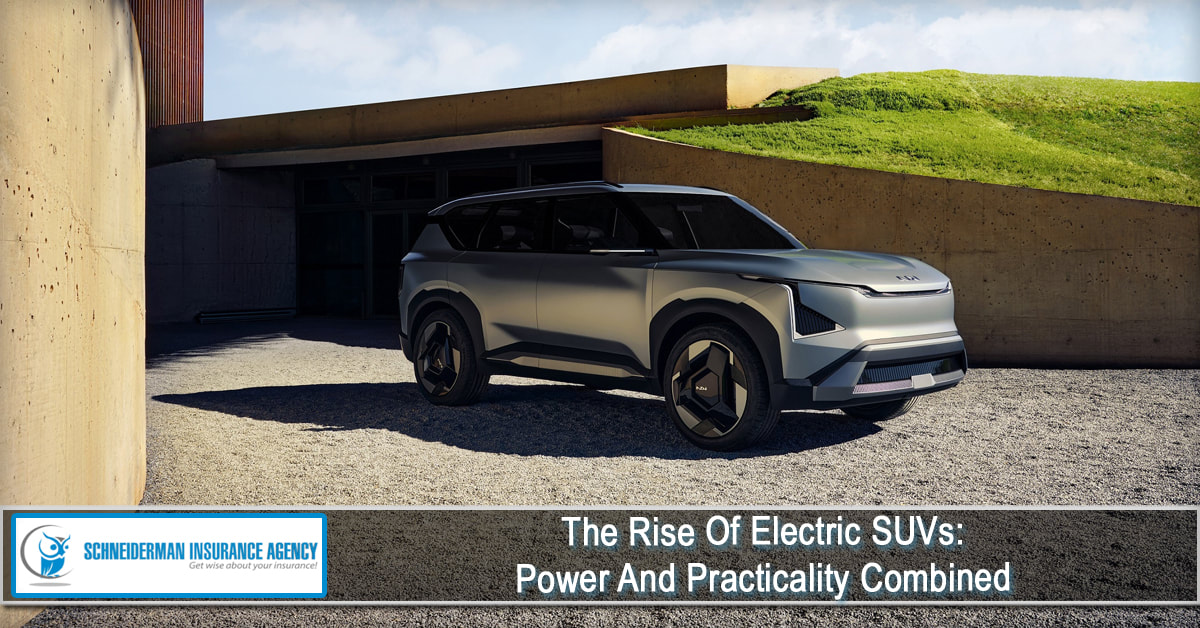 Electric vehicles (EVs) have gained significant popularity in recent years, offering an eco-friendly and efficient alternative to traditional gasoline-powered cars. Among the various EV options available, electric SUVs have emerged as a prominent choice, combining the benefits of electric technology with the versatility and practicality of SUVs. In this blog, we will explore the rise of electric SUVs, highlighting their power, practicality, and the connection to auto insurance in Granada Hills, CA. Understanding the relationship between electric SUVs and auto insurance is crucial for protecting these technologically advanced vehicles.
|
Contact Us(818) 322-4744 Archives
July 2024
Categories
All
|
 RSS Feed